

.png)
Understanding the Causes of Hair Loss in Men: Why Do Men Experience Hair Loss?
- Snacks Fortune

- Dec 30, 2025
- 4 min read
Hair loss is a topic that often comes with a mix of emotions - frustration, confusion, and sometimes even embarrassment. As someone deeply passionate about scalp, hair, and beard care, I’ve seen firsthand how hair loss can impact confidence and self-image. But why exactly do men experience hair loss? Let’s dive into the science, the myths, and the practical steps you can take to maintain a healthy scalp and promote hair growth naturally.
The Common Causes of Hair Loss in Men
Hair loss in men is a complex issue influenced by a variety of factors. Understanding these causes is the first step toward effective treatment and prevention. Here are some of the most common reasons men experience hair thinning and balding:
1. Genetics and Male Pattern Baldness
The most prevalent cause of hair loss in men is androgenetic alopecia, commonly known as male pattern baldness. This hereditary condition is linked to the hormone dihydrotestosterone (DHT), which affects hair follicles by shrinking them and shortening the hair growth cycle. Over time, this leads to thinner hair and eventually, hair loss.
2. Hormonal Changes
Hormones play a significant role in hair health. Fluctuations in testosterone and DHT levels can trigger hair loss. This is why hair thinning often starts in the late 20s or early 30s for many men.
3. Stress and Lifestyle Factors
Chronic stress, poor diet, lack of sleep, and smoking can all contribute to hair loss. Stress, in particular, can push hair follicles into a resting phase, causing more hair to fall out than usual.
4. Scalp Conditions and Infections
Issues like dandruff, seborrheic dermatitis, fungal infections, and inflammation can damage hair follicles and lead to hair loss. Maintaining a healthy scalp environment is crucial for hair growth.
5. Physical Damage and Hair Care Practices
Traction alopecia, caused by tight hairstyles or excessive pulling, can damage hair follicles. Similarly, harsh hair care products, frequent heat styling, and chemical treatments can weaken hair strands and cause breakage.

If you want to explore more about hair loss causes in men, this resource offers detailed insights into the biological and environmental factors involved.
What is the Best Treatment for Hair Loss in Men?
When it comes to treating hair loss, there is no one-size-fits-all solution. However, combining medical treatments with natural care can yield the best results. Here’s what I recommend based on my experience with scalp and hair care:
Medical Treatments
Minoxidil: An over-the-counter topical treatment that stimulates hair growth and slows balding.
Finasteride: A prescription oral medication that reduces DHT levels, helping to prevent further hair loss.
Hair Transplants: Surgical options for more advanced hair loss cases.
Natural and Holistic Approaches
I strongly advocate for holistic scalp and hair care that incorporates natural butters, herbs, and essential oils. For example:
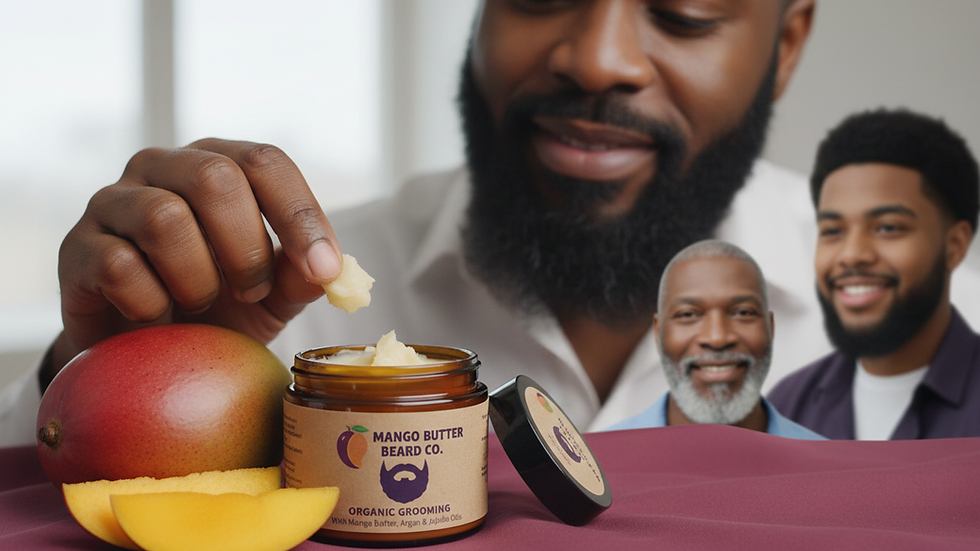
Mango Butter: Rich in vitamins A, C, and E, mango butter nourishes the scalp, reduces dryness, and promotes healthy hair growth.
Essential Oils: Rosemary, peppermint, and tea tree oils improve circulation and have anti-inflammatory properties.
Herbal Infusions: Ingredients like nettle and horsetail strengthen hair follicles and reduce shedding.
Daily Hair Care Tips
Use gentle, sulfate-free shampoos and conditioners.
Avoid excessive heat styling and harsh chemical treatments.
Massage your scalp regularly to boost blood flow.
Maintain a balanced diet rich in vitamins and minerals.

How Lifestyle Changes Can Help Prevent Hair Loss
Beyond treatments, lifestyle adjustments can make a significant difference in hair health. Here are some practical tips:
Manage Stress: Practice mindfulness, meditation, or yoga to reduce stress levels.
Eat a Nutrient-Rich Diet: Focus on foods high in protein, iron, zinc, and omega-3 fatty acids.
Stay Hydrated: Proper hydration supports scalp health.
Get Enough Sleep: Sleep is essential for cell regeneration and repair.
Avoid Smoking and Limit Alcohol: Both can negatively impact hair growth.
The Role of Beard and Scalp Care in Hair Loss Prevention
Hair loss isn’t limited to the scalp. Many men experience patchy beard growth, beard itch, and skin irritation, which can also be signs of underlying issues like fungal infections or inflammation. Proper beard care is just as important:
Use natural oils and butters to moisturize and soothe the skin.
Exfoliate gently to prevent ingrown hairs and razor bumps.
Treat fungal infections promptly with appropriate antifungal products.
Avoid over-trimming or harsh shaving techniques that cause irritation.
By maintaining a healthy scalp and beard environment, you create the ideal conditions for hair and beard growth.
Embracing a Natural Mango Butter Growth Experience
My approach to hair and scalp care centers around the power of nature. Mango butter, combined with carefully selected herbs and essential oils, offers a luxurious and effective way to nourish your hair and scalp. This all-natural treatment helps:
Strengthen hair follicles
Reduce dryness and brittleness
Soothe inflammation and irritation
Promote thicker, healthier hair growth
If you’re struggling with hair loss or beard damage, consider integrating natural products into your routine. Not only do they support hair health, but they also minimize the risk of side effects often associated with synthetic chemicals.
Hair loss can feel like a daunting challenge, but with the right knowledge and care, it’s manageable. Whether you’re dealing with male pattern baldness, scalp conditions, or beard issues, adopting a holistic approach that combines medical treatments with natural remedies can help you regain confidence and enjoy healthier hair.
Remember, your scalp and beard deserve the best care - and sometimes, nature provides the best solutions.


Comments